
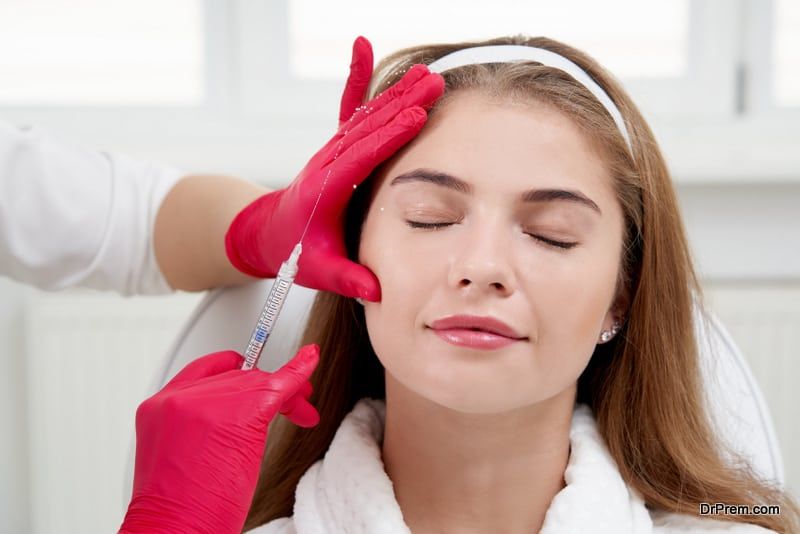
In recent years, Peptide Therapy in Abu Dhabi has garnered significant attention within the realm of anti-aging and skin rejuvenation treatments. As individuals seek effective methods to maintain a youthful appearance, many explore innovative solutions like peptide therapy. This therapy involves the use of specific amino acid chains, known as peptides, which are fundamental building blocks of proteins in the body. They play crucial roles in cellular communication, tissue repair, and overall skin health. The question that often arises among those interested in skin aesthetics is: Does peptide therapy help with wrinkles? Understanding the potential benefits of this treatment can help individuals make informed decisions about their skincare routines and anti-aging strategies.
What Are Peptides and How Do They Influence Skin Health?
Understanding Peptides and Their Biological Role
Peptides are short chains of amino acids linked together, which naturally occur in the body and are involved in various biological processes. They function as signaling molecules, instructing cells to perform specific actions such as collagen production, cell regeneration, and inflammation reduction. These functions are particularly relevant to skin health, as they directly impact skin elasticity, hydration, and overall appearance. When applied through therapy, peptides can stimulate the skin's natural regenerative mechanisms, which tend to decline with age.
The Connection Between Peptides and Skin Aging
As we age, the production of collagen and elastin — essential proteins that maintain skin firmness and elasticity — decreases, leading to the formation of wrinkles and sagging skin. Peptides have the ability to signal the body to produce more of these structural proteins, thereby potentially reducing signs of aging. This connection forms the basis for using peptide therapy as a method to improve skin texture, firmness, and reduce the appearance of wrinkles.
How Does Peptide Therapy Work for Wrinkles?
Stimulating Collagen and Elastin Production
The primary mechanism by which peptide therapy targets wrinkles involves stimulating the synthesis of collagen and elastin fibers within the skin. By delivering specific peptides that mimic the body's natural signaling molecules, the therapy encourages the skin to rebuild its structural framework. Increased collagen helps to fill in fine lines and wrinkles, resulting in smoother skin.
Enhancing Skin Hydration and Elasticity
Beyond collagen stimulation, peptides also promote better skin hydration by encouraging the production of hyaluronic acid, a molecule known for its moisture-retaining properties. Well-hydrated skin appears plumper and more resilient, which can diminish the prominence of wrinkles. Additionally, improved elasticity from increased elastin production allows the skin to retain its shape and bounce back more effectively.
Supporting Skin Repair and Regeneration
Peptide therapy can also enhance the skin’s natural repair processes by activating cellular regeneration. This means that damaged skin cells are replaced more efficiently, leading to a more youthful and vibrant complexion. This regenerative effect can contribute to smoothing out existing wrinkles and preventing the formation of new ones.
The Benefits of Peptide Therapy for Wrinkle Reduction
Non-Invasive and Minimal Downtime
One of the notable advantages of peptide therapy is its non-invasive nature. Unlike surgical procedures, it typically involves topical applications or injections that do not require significant recovery time. This makes it an attractive option for individuals looking for subtle yet effective anti-aging solutions.
Gradual and Natural Results
Peptide therapy promotes gradual improvements, resulting in natural-looking results. Since it encourages the body's own collagen and elastin production, the effects develop over weeks to months, providing a subtle enhancement rather than an abrupt change.
Complementary to Other Skin Treatments
Peptide therapy can be seamlessly integrated into a broader skincare routine or combined with other dermatological procedures. This synergy can enhance overall skin health and optimize wrinkle-reduction outcomes.
What to Expect from a Peptide Therapy Regimen
Customization Based on Skin Needs
A tailored approach is often recommended, where skincare professionals assess individual skin conditions and formulate personalized peptide treatments. This customization ensures that the therapy targets specific concerns such as fine lines, loss of elasticity, or uneven skin tone.
Application Methods
Peptide treatments can be administered through various methods, including topical creams, serums, or injections. Topical applications are convenient and easy to incorporate into daily routines, while injections may deliver higher concentrations of peptides directly into targeted areas for more pronounced effects.
Consistency for Optimal Results
Achieving noticeable improvements typically requires consistent application over several months. Regular treatments and adherence to recommended skincare routines are essential to maximize the benefits of peptide therapy.
Combining Peptide Therapy with Other Anti-Aging Strategies
Lifestyle Factors and Skin Health
While peptide therapy offers promising results, its effectiveness is often enhanced when combined with healthy lifestyle choices. Proper hydration, balanced nutrition, sun protection, and avoiding smoking can support skin integrity and prolong the benefits of treatment.
Synergistic Treatments
Other non-invasive procedures such as microneedling, laser therapy, or dermal fillers can complement peptide therapy. These combined approaches may provide more comprehensive wrinkle reduction and skin revitalization.
Frequently Asked Questions (FAQs)
1. Can peptide therapy completely eliminate wrinkles?
While peptide therapy can significantly reduce the appearance of wrinkles by stimulating collagen and elastin production, it may not completely erase deep or longstanding lines. Consistent treatment and a comprehensive skincare approach can enhance results.
2. How long does it take to see visible improvements with peptide therapy?
Visible changes often begin to appear within a few weeks of consistent application, but optimal results typically manifest after several months of regular treatment.
3. Is peptide therapy suitable for all skin types?
Peptide therapy is generally suitable for a wide range of skin types and tones. However, individual responses may vary, and consulting with a skincare professional is recommended to determine the most appropriate treatment plan.
4. Are there any side effects associated with peptide therapy?
Since peptide therapy is generally considered safe, side effects are rare. Mild reactions such as redness or irritation may occur but usually resolve quickly. A professional consultation can help customize treatments to minimize any adverse effects.
Conclusion
In summary, peptide therapy holds promising potential as a non-invasive, effective approach to diminish wrinkles and promote healthier, more youthful skin. By stimulating the body’s natural collagen and elastin production, enhancing hydration, and supporting cell regeneration, peptide therapy offers a comprehensive strategy to combat skin aging. When integrated into a holistic skincare regimen, it can contribute to smoother, firmer, and more resilient skin, helping individuals achieve their aesthetic goals with natural-looking results.