
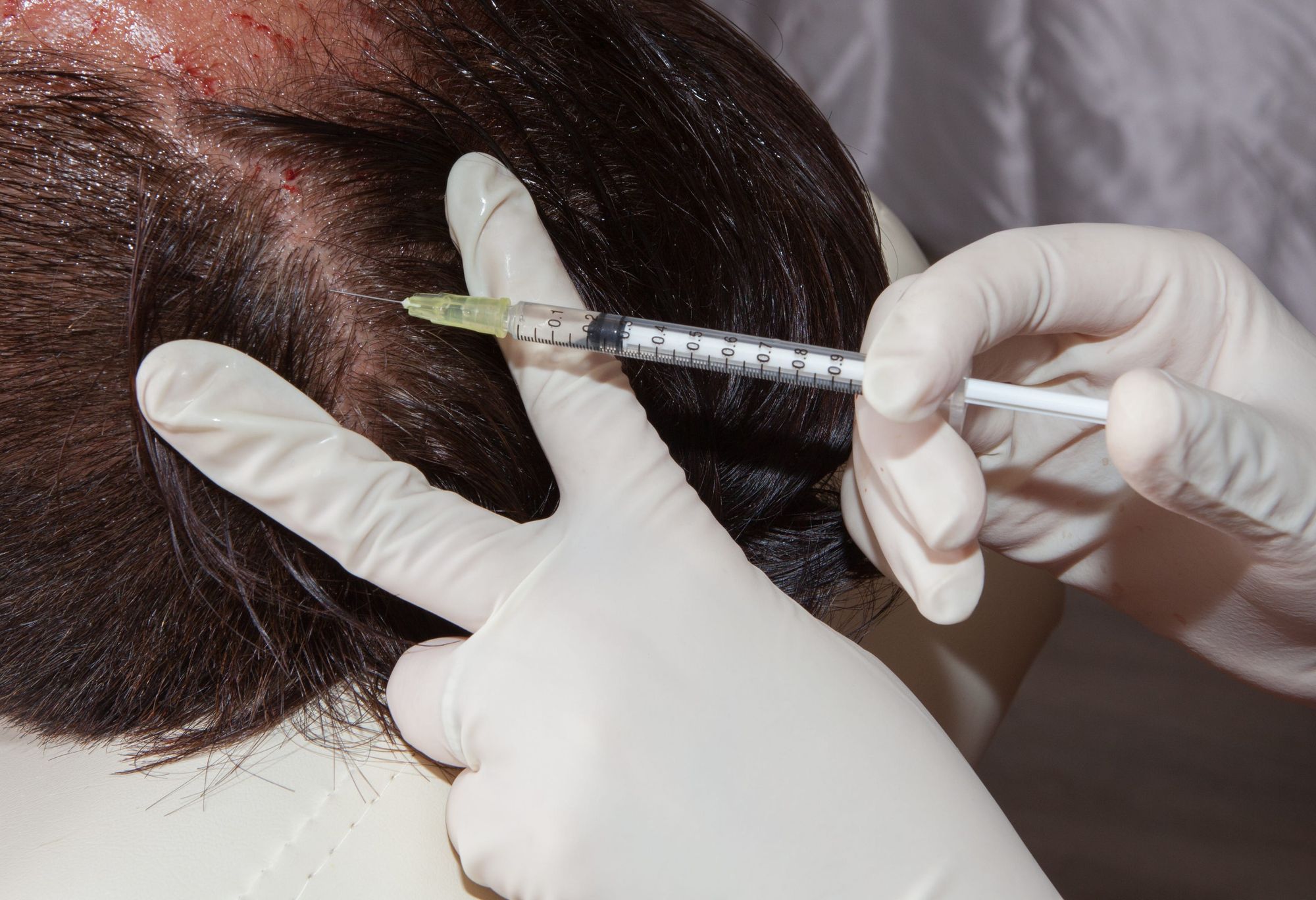
Platelet-rich plasma (PRP) hair treatment has gained popularity as a non-invasive approach to addressing hair thinning and hair loss concerns. This innovative procedure utilizes a patient’s own blood components to stimulate hair growth and improve overall hair health. As an effective solution for those seeking to enhance hair density without surgery, PRP Hair Treatment in Abu Dhabi has become a preferred choice for individuals aiming to restore their confidence and achieve a fuller head of hair.
Understanding How PRP Works for Hair Density
The Science Behind PRP and Hair Growth
PRP contains a high concentration of growth factors such as platelet-derived growth factor (PDGF), vascular endothelial growth factor (VEGF), and transforming growth factor (TGF). These bioactive proteins play a crucial role in tissue repair and regeneration. When injected into the scalp, they stimulate dormant hair follicles, encouraging them to enter the active growth phase, known as the anagen phase. This stimulation can lead to increased hair density, improved hair thickness, and overall healthier hair growth patterns. The regenerative properties of PRP make it a compelling option for those experiencing hair thinning or gradual hair loss.
How PRP Enhances Hair Density
Regular treatments with PRP can result in noticeable improvements in hair density over time. By revitalizing weak or miniaturized hair follicles, PRP helps to increase the number of healthy, functioning follicles. This translates into a denser hair appearance as new hair strands grow thicker and stronger. Moreover, PRP enhances blood circulation within the scalp, ensuring that hair follicles receive adequate nutrients and oxygen, further supporting hair growth and density. The cumulative effect of these mechanisms makes PRP an effective strategy for restoring fullness to thinning hair.
Is PRP Hair Treatment Effective for Hair Density?
Evidence Supporting PRP’s Effectiveness
Numerous clinical studies and anecdotal reports suggest that PRP significantly contributes to increasing hair density, especially in cases of androgenetic alopecia (pattern baldness). Many patients notice visible improvements after a series of treatment sessions, with progressive thickening of existing hair and the emergence of new hair strands. The treatment’s ability to target the root causes of hair thinning—such as poor blood supply and follicle miniaturization—makes it an effective method to boost hair volume and density. Since PRP utilizes the body’s own healing mechanisms, it offers a natural approach to hair restoration with minimal side effects.
Factors Influencing Outcomes
The extent of hair density improvement varies based on individual factors such as age, hair loss severity, and overall health. Consistent sessions, typically spaced a few weeks apart, are essential for optimal results. Combining PRP with other hair restoration therapies or adopting a healthy scalp care routine can further enhance outcomes. While some patients experience rapid improvements, others may require multiple treatments over several months to achieve desired density levels. Patience and adherence to recommended treatment plans are key for maximizing the benefits of PRP Hair Treatment.
Benefits of PRP Hair Treatment for Hair Density
Natural and Safe Approach
One of the primary benefits of PRP therapy is its natural origin, as it uses the patient’s own blood, reducing the risk of allergic reactions or adverse effects. This makes it a safe alternative for those seeking non-surgical solutions to hair loss.
Minimal Downtime and Discomfort
PRP hair treatment is minimally invasive, involving only small injections into the scalp. Patients typically experience little to no discomfort during the procedure and can resume daily activities shortly afterward, making it a convenient option for busy individuals.
Long-term Hair Health
In addition to increasing hair density, PRP promotes overall scalp health by enhancing blood flow and stimulating collagen production. This can lead to healthier, shinier hair that is more resilient to damage.
Complementary Treatment Options
PRP can be combined with other hair restoration techniques such as microneedling or low-level laser therapy to amplify results. This integrative approach can further improve hair density and quality.
Realistic Expectations from PRP Hair Treatment
Recognizing the Limitations
While PRP has shown promising results, it is essential to have realistic expectations. The treatment is most effective for early to moderate hair thinning and may not fully restore hair in advanced cases of baldness. It works best as a preventive measure or to maintain existing hair density rather than a complete cure for severe hair loss.
Maintenance and Follow-up
Achieving and sustaining optimal hair density often requires ongoing maintenance sessions. Regular follow-ups help to reinforce the regenerative effects and ensure continued hair growth and density improvements.
Preparing for PRP Hair Treatment
Consultation and Evaluation
Before undergoing PRP therapy, a thorough consultation with a qualified specialist is necessary to assess scalp health, hair loss pattern, and suitability for the treatment. This evaluation helps tailor a personalized treatment plan aligned with individual goals.
Pre-Treatment Recommendations
Patients may be advised to avoid blood-thinning medications, alcohol, and smoking before the procedure to optimize results and minimize complications. Maintaining good scalp hygiene and staying hydrated can also support the healing process.
The Procedure: What to Expect
Step-by-Step Process
The procedure begins with blood collection, followed by centrifugation to separate the platelet-rich plasma. The scalp is then cleansed, and local anesthesia may be applied for comfort. Using fine needles, the PRP is injected into targeted areas of the scalp, focusing on thinning zones. The entire process typically takes about an hour, depending on the treatment area.
Post-Treatment Care
Post-procedure, patients are usually advised to avoid strenuous activities and direct scalp exposure to sunlight for a short period. Mild swelling or soreness may occur but generally resolves quickly. The effects of the treatment become more apparent over subsequent weeks as hair follicles respond to the growth factors.
Expected Results and Timeline
Timeline for Hair Density Improvement
Most individuals notice initial signs of improvement within three to four months after the first session. Hair density tends to increase gradually, with optimal results often observed after a series of treatments over six to twelve months. Consistent maintenance sessions help sustain and enhance these results.
Monitoring Progress
Regular follow-up appointments allow specialists to evaluate progress, adjust treatment frequency, and recommend additional therapies if necessary. Patience and adherence to the plan are vital for achieving the best possible hair density enhancement.
FAQs
Q1: How many PRP sessions are typically needed to see a noticeable increase in hair density?
A1: Most patients undergo a series of 3 to 4 sessions spaced about four to six weeks apart, with improvements visible after the initial treatments and further enhancement over subsequent months.
Q2: Can PRP Hair Treatment be combined with other hair restoration methods?
A2: Yes, PRP is often combined with other therapies like microneedling, low-level laser therapy, or medication to optimize hair density and overall results.
Q3: Is PRP Hair Treatment suitable for all types of hair loss?
A3: PRP is most effective for androgenetic alopecia and early-stage hair thinning. It may be less effective for extensive scarring or advanced baldness, where surgical options might be considered.
Q4: How long do the results of PRP Hair Treatment last?
A4: Results can last from 12 to 18 months, but ongoing maintenance sessions may be necessary to sustain optimal hair density and prevent further thinning.
Conclusion
PRP Hair Treatment stands out as a promising, natural approach to improving hair density by stimulating dormant hair follicles and enhancing scalp health. Its minimally invasive nature, coupled with its ability to promote thicker, healthier hair, makes it an attractive option for individuals seeking to regain a fuller head of hair without surgery. With proper planning, realistic expectations, and consistent follow-up, PRP can significantly contribute to enhancing hair volume and density, restoring confidence and aesthetic appeal.