
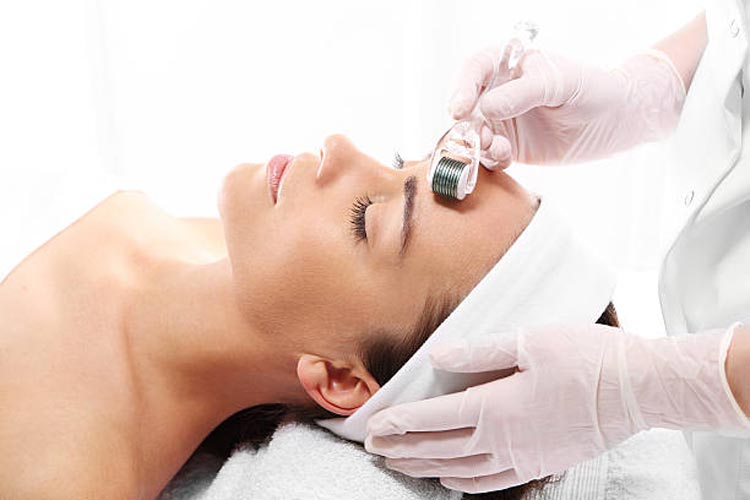
Microneedling has transformed the way we approach skin rejuvenation, offering a pathway to smoother, more radiant skin without the need for invasive surgery. When considering Derma Roller Treatment in Abu Dhabi, understanding the recovery timeline is essential for planning your skincare journey and managing expectations. This non-surgical procedure uses tiny needles to create controlled micro-injuries, triggering the body’s natural healing response and boosting collagen production.
- The treatment utilizes a rolling device to stimulate the dermis.
- Recovery speed is one of the most appealing aspects of this procedure.
- Initial skin reactions are a natural part of the rejuvenation process.
The Science of Skin Regeneration
To understand recovery, one must first understand what the skin is doing during and after the procedure. The derma roller creates thousands of microscopic channels in the skin. While these are invisible to the naked eye, they serve a dual purpose: they allow for deeper penetration of topical serums and, more importantly, they signal the brain to repair the "damage" by producing fresh collagen and elastin.
The Immediate Inflammatory Phase
In the hours following the treatment, your skin enters an acute inflammatory phase. This is characterized by a pinkish or reddish hue, similar to a mild sunburn. This is a sign that the blood flow is increasing to the treated area, bringing with it the nutrients and growth factors necessary for cellular repair.
The Proliferation Stage
Within two to three days, the skin begins the proliferation stage. During this time, new tissue is formed. You might notice that the initial redness fades into a more natural tone, though the skin may feel tight or slightly dry as the new cells replace the old.
Day-by-Day Recovery Timeline
The beauty of microneedling with a derma roller is the minimal downtime. Most individuals find that they can return to their regular social activities within a very short window.
The First 24 Hours
During the first day, the micro-channels are still closing. The skin will look flushed and may feel warm to the touch. It is crucial during this window to keep the skin clean and hydrated using only recommended post-care topicals. Most of the "downtime" occurs during this sleep cycle.
Days 2 to 3
By the second or third day, the redness typically subsides significantly. Some people may experience very light peeling or flakiness. This is not a cause for concern; rather, it is evidence that the skin is shedding dead cells to make way for a revitalized surface.
Day 7 and Beyond
By the end of the first week, the external layers of the skin are usually fully healed. However, the internal work—the remodeling of collagen—continues beneath the surface for several weeks. This is when the "glow" associated with the treatment begins to become more apparent.
- 24 hours: Redness is most prominent.
- 48–72 hours: Skin begins to stabilize and peeling may occur.
- One week: Surface healing is largely complete.
Factors Influencing Healing Speed
While there is a general timeline, individual recovery speeds can vary based on several biological and environmental factors.
Needle Length and Depth
The depth of the needles used during the session plays a significant role. Shorter needles used for superficial brightening typically result in a faster recovery than longer needles used for addressing deeper structural concerns.
Individual Skin Vitality
Everyone’s biological clock is different. Factors such as age, hydration levels, and overall health dictate how quickly your cells can regenerate. Younger skin or well-hydrated skin often displays a more rapid bounce-back.
Environmental Conditions
The environment plays a quiet but powerful role in recovery. Protecting the skin from harsh elements and maintaining a cool, clean environment helps the skin focus its energy entirely on repair rather than defending against external stressors.
Maximizing the Recovery Process
To ensure the fastest possible recovery, it is important to support the skin’s natural functions rather than working against them.
Hydration is Key
Keeping the skin hydrated from the inside and out is the most effective way to speed up recovery. Hyaluronic acid is often a preferred ingredient during this time because it can hold many times its weight in water, providing a cushion for the healing cells.
Sun Protection
Even though we aren't discussing specific risks, it is a universal skincare truth that healing skin is more sensitive to the sun. Keeping the treated area shielded allows the pigment-producing cells to remain stable while the skin focuses on collagen synthesis.
Avoiding Harsh Actives
For several days after the treatment, it is best to avoid "active" ingredients like retinols or strong acids. Let the physical stimulation of the derma roller do the work without the interference of aggressive chemical exfoliants.
- Use gentle, non-fragranced cleansers.
- Apply hydrating serums consistently.
- Stay away from heavy makeup for the first 24–48 hours.
The Long-Term Benefits of Controlled Healing
The reason recovery is so fascinating in this context is that the "healing" is actually the goal. Unlike a wound from an accident, these micro-injuries are purposeful and strategic.
Collagen Induction
The primary goal of the recovery phase is collagen induction. As the skin repairs the micro-channels, it builds a stronger, more resilient matrix. This leads to an improvement in skin texture and firmness over the long term.
Enhanced Absorption
During the initial hours of recovery, the skin's permeability is greatly increased. This "window of opportunity" allows high-quality nutrients to reach the deeper layers of the dermis where they can be most effective.
Comparing Professional Care to Home Care
Recovery times can also differ based on whether the treatment is performed in a clinical setting or at home. Professional sessions often use more precise tools and higher-grade topicals, which can actually streamline the recovery process by ensuring the treatment is uniform and the skin is properly prepped.
Precision and Uniformity
A professional application ensures that the needles enter the skin at the correct angle, which minimizes unnecessary trauma to the surface and leads to a cleaner, faster healing process.
Post-Treatment Support
Professional settings often provide specialized soothing masks or serums immediately following the session. These are designed to jumpstart the cooling process and reduce the initial inflammatory response.
Conclusion: A Quick Path to Radiance
In summary, the recovery after a derma roller session is remarkably efficient. For those leading busy lives, the ability to undergo a treatment and return to normalcy within a few days makes it a highly attractive option for maintaining a youthful appearance. By understanding the phases of healing and providing the skin with the hydration it craves, you can enjoy the transformative effects of collagen induction with minimal interruption to your daily routine.
- Recovery is generally swift, with most redness disappearing within 48 hours.
- Supporting the skin with hydration accelerates the process.
- The real results happen beneath the surface during the weeks following recovery.
Frequently Asked Questions
How soon can I apply makeup after the procedure?
It is generally recommended to wait at least 24 to 48 hours before applying makeup. This allows the micro-channels to close completely, preventing any particles from the makeup from entering the deeper layers of the skin and ensuring a clean recovery.
Will my skin peel during the recovery phase?
Some light flaking or peeling is normal around day three or four. This is a sign that the skin is turning over and replacing old cells with new ones. Not everyone experiences visible peeling, but the cellular renewal is still occurring.
Can I exercise immediately after the treatment?
It is best to avoid heavy exercise or activities that cause excessive sweating for at least 24 hours. Sweat and heat can increase the initial redness and potentially irritate the skin while the micro-channels are still open.
How often can I undergo this treatment?
While recovery is fast, the skin needs time to build new collagen. Most professionals recommend waiting 4 to 6 weeks between sessions to allow the full benefits of the previous treatment to manifest within the deeper dermal layers.