
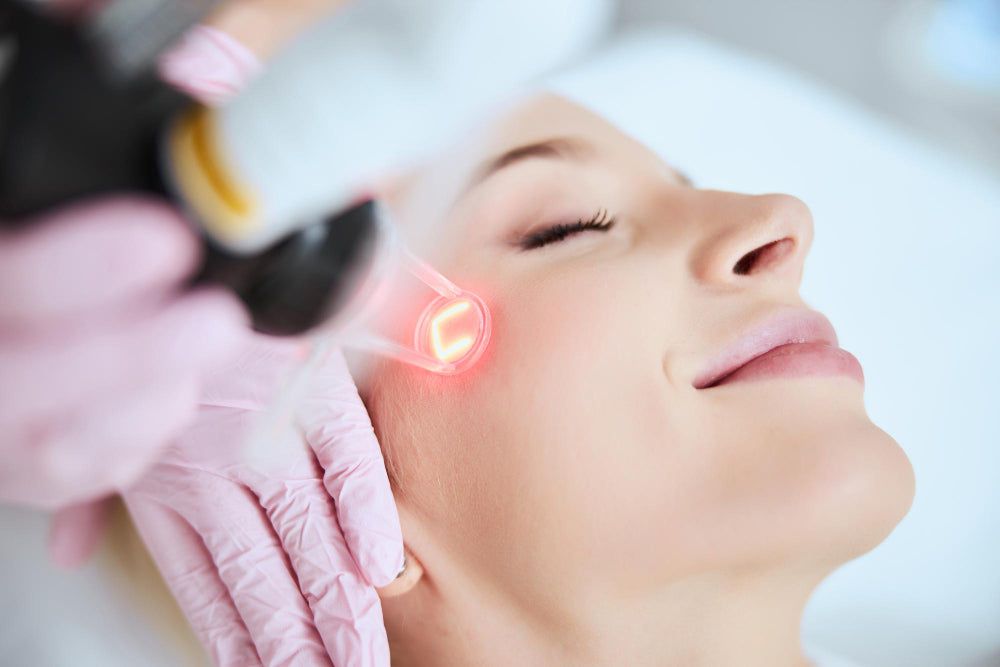
RF Microneedling has emerged as a transformative solution for individuals seeking to enhance their skin’s texture, firmness, and overall radiance. By combining traditional needling techniques with radiofrequency energy, this procedure stimulates the body’s natural healing mechanisms. However, a common question persists for those considering the treatment: what is the ideal age to begin?
While there is no single "perfect" number, the effectiveness of the procedure often depends on the specific skin concerns associated with different life stages. For many residents, RF Micro Needling in Abu Dhabi has become a go-to option for addressing everything from adolescent acne scarring to the fine lines that appear in later decades. Understanding how the skin evolves helps in determining when this technology can offer the most significant benefits.
Understanding the Technology Behind the Glow
To appreciate why age matters, one must first understand how the process works. The treatment involves ultra-fine needles that create controlled micro-injuries in the skin. Simultaneously, radiofrequency energy is delivered into the deeper layers (the dermis), generating heat.
The Role of Collagen and Elastin
Collagen and elastin are the structural proteins responsible for the skin's "bounce" and smoothness. As we age, the production of these proteins naturally slows down. The heat from the radiofrequency energy "tricks" the skin into thinking it needs to repair itself, leading to a surge in fresh collagen production.
Deep Tissue Stimulation
Unlike topical treatments that sit on the surface, this method reaches the foundational layers of the skin. This makes it particularly effective for structural issues like skin laxity or deep-seated scars that cannot be resolved with creams or serums alone.
The Synergy of Heat and Needling
The mechanical action of the needles handles surface texture, while the RF energy manages tightening. This dual-action approach is what makes the treatment versatile enough to be used across various age groups, provided the skin is healthy enough to undergo the renewal process.
RF Microneedling in Your 20s: Prevention and Correction
The twenties are often characterized by high collagen levels, but this is also the decade where many deal with the aftermath of teenage skin struggles or the first signs of environmental damage.
Addressing Acne Scarring
For individuals in their early 20s, the primary goal is often corrective rather than anti-aging. Persistent acne scars, such as boxcar or ice-pick scars, can be significantly smoothed out. Because the skin’s regenerative capacity is at its peak, younger patients often see rapid and dramatic improvements in texture.
Pre-juvenation: The New Trend
"Pre-juvenation" refers to the practice of starting light aesthetic treatments early to delay the visible signs of aging. By stimulating collagen in the 20s, individuals can maintain their skin’s thickness and elasticity for longer, potentially requiring less intensive interventions in their 40s and 50s.
Managing Large Pores and Oil Production
The heat from the RF energy can help in refining the appearance of large pores and potentially balancing oil production. This results in a smoother "filter-like" finish to the skin, which is a common aesthetic goal for this demographic.
The Golden Era: RF Microneedling in Your 30s and 40s
This is arguably the most popular age range for the treatment. During these decades, the first visible signs of "collagen drop" begin to manifest as fine lines, slight sagging, and a loss of the youthful "glow."
Combatting Early Fine Lines
In the 30s, the skin begins to thin slightly, and the repetitive movements of the face lead to the formation of static lines. RF Microneedling serves as an excellent middle ground between non-invasive facials and surgical options, effectively softening these early lines before they become deep wrinkles.
Improving Skin Elasticity
As we enter our 40s, the "snap-back" quality of the skin decreases. The radiofrequency component is particularly beneficial here, as it promotes tissue contraction. This helps in firming up the jawline and reducing the appearance of mild nasolabial folds.
Reversing Sun Damage
Years of sun exposure often begin to show up as uneven skin tone and "crepey" texture during middle age. The treatment encourages the shedding of damaged cells and the growth of healthy, evenly pigmented tissue, restoring a more uniform complexion.
Advanced Care: RF Microneedling for 50s and Beyond
In later years, the focus shifts toward significant skin tightening and addressing more pronounced structural changes. While the skin's healing process is slower, the results can still be profound.
Targeting Skin Laxity
Post-menopause or as a natural part of the aging process, skin can become significantly thinner. RF Microneedling helps to "bulk up" the dermis, providing a firmer foundation that reduces the appearance of sagging, particularly around the lower face and neck.
Refining Deep Wrinkles
While it may not completely erase deep-set furrows, the treatment can significantly soften their appearance. By improving the overall quality and thickness of the skin, the face looks more rested and naturally rejuvenated without the "pulled" look of surgery.
Enhancing Glow and Vitality
Mature skin often struggles with dullness due to slower cell turnover. The microneedling process accelerates this turnover, bringing fresh, vibrant skin to the surface and helping the individual look "refreshed" rather than "different."
Key Considerations Regardless of Age
While age provides a general guideline, the "best" time for treatment is truly dictated by skin condition and personal goals.
Skin Type and Sensitivity
The procedure is generally inclusive of various skin tones, making it a versatile option in diverse regions. However, the intensity of the treatment should be tailored to the individual's skin thickness and sensitivity level rather than just their chronological age.
Consistency is Key
Regardless of whether you start at 25 or 55, the most impressive results come from a consistent approach. Most professionals suggest a series of sessions to allow collagen levels to build cumulatively over several months.
Complementing Your Skincare Routine
The treatment works best when supported by a solid home-care regimen. Using high-quality antioxidants and, most importantly, daily sun protection ensures that the new collagen produced is protected from degradation.
Why Timing Matters for Skin Health
Starting too early might be unnecessary for some, while waiting too long might mean the skin needs more sessions to achieve the desired outcome. The goal is to find the "sweet spot" where the skin still has enough regenerative energy to respond robustly to the RF stimulation.
Early Intervention Benefits
Intervening at the first sign of a concern (like a deepening line or a new scar) usually requires fewer sessions and results in a more seamless blend with the surrounding tissue.
Long-Term Maintenance
Think of skin health like a savings account. Early and mid-life treatments are "deposits" into your collagen bank. These deposits help maintain the structural integrity of the face, making the transition into older age much smoother from an aesthetic perspective.
Frequently Asked Questions
Can teenagers undergo this treatment for acne scars?
While technically possible, most professionals recommend waiting until the mid-to-late teens or until active acne is well-managed. At this stage, the skin is still very resilient, and the primary focus is on remodeling scar tissue rather than anti-aging. It is essential to ensure the skin is no longer in an inflamed state.
Is there an age where it is "too late" to start?
It is never truly "too late" to improve skin health. While a person in their 70s may not produce collagen as rapidly as someone in their 30s, they can still see significant improvements in skin texture and a reduction in "crepiness." The expectations simply shift from "total reversal" to "noticeable improvement and softening."
How many sessions are typically needed for younger versus older skin?
Younger skin, focusing on prevention or minor texture issues, might only require 1–3 sessions to see a beautiful result. Older skin, or skin with deep scarring, usually benefits from a more robust plan of 4–6 sessions to allow for deeper structural remodeling and more significant collagen synthesis.
Does the treatment require a long recovery time for mature skin?
Because mature skin heals slightly more slowly, the "social downtime" might be a day or two longer than it would be for a 20-year-old. However, because the procedure is minimally invasive and leaves the outer layer of the skin mostly intact, the recovery is still significantly faster than more aggressive laser resurfacing or surgical lifts.