
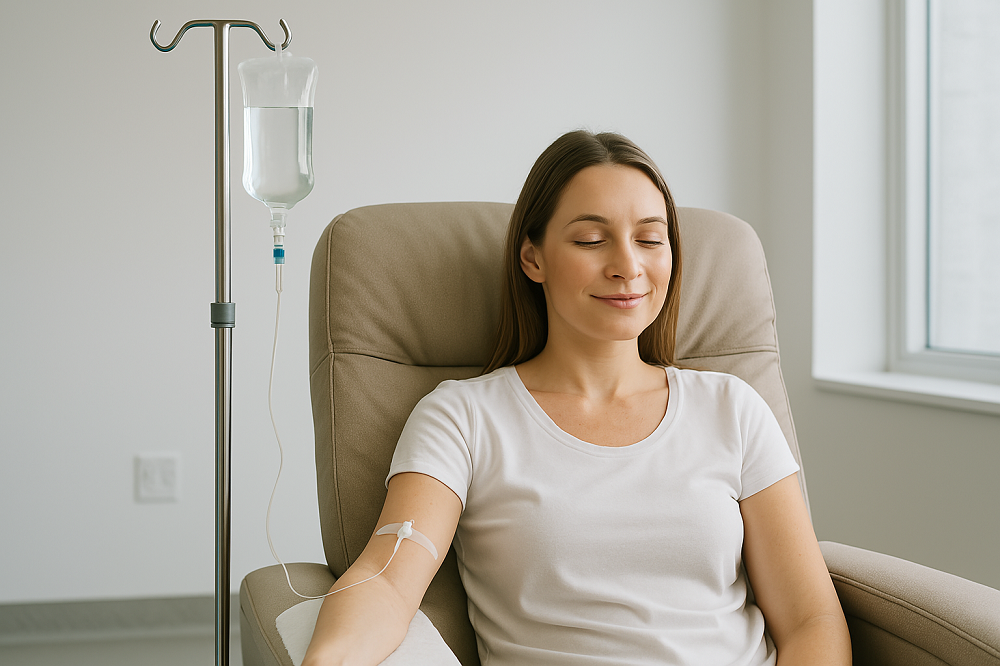
An IV drip at home is a convenient and efficient way to replenish essential nutrients, fluids, and electrolytes without visiting a healthcare facility. This innovative treatment option offers personalized hydration and nutritional support tailored to individual needs, making it a popular choice for those seeking comfort and flexibility. When considering IV Drip at Home in Abu Dhabi, understanding the session process helps ensure a smooth, effective experience. This article provides an in-depth overview of what occurs during an IV drip session at home, highlighting the steps involved, safety measures, and what patients can expect throughout the process.
Preparing for the IV Drip at Home Session
Initial Consultation and Assessment
Before the session begins, a thorough consultation is conducted either virtually or in person to evaluate the patient's health status, medical history, and specific hydration or nutrient needs. This assessment helps determine the appropriate type of IV therapy, ingredients, and infusion rates suitable for the individual.
Personalized Treatment Planning
Based on the assessment, a customized treatment plan is developed, including selecting the right IV formulation, volume, and additives if necessary. This personalized approach ensures optimal results and minimizes any potential discomfort during the infusion process.
Preparing the Environment
Patients are advised to prepare a comfortable, clean space at home where the session can be conducted safely. The healthcare provider ensures all necessary equipment, sterile supplies, and emergency provisions are available to facilitate a seamless experience.
What Happens During an IV Drip at Home Session?
Arrival and Setup
The healthcare professional arrives at the scheduled time, bringing all necessary equipment. They begin by verifying patient identity and reviewing the treatment plan to ensure accuracy. The patient is then comfortably positioned, typically lying down or reclined, to facilitate easy access to the veins.
Site Preparation and Sterilization
The area of insertion, usually on the arm or hand, is cleaned thoroughly with antiseptic to prevent infection. The professional dons sterile gloves and prepares the insertion site with meticulous care to maintain hygiene standards.
Insertion of the IV Line
A small, sterile needle or catheter is inserted into a suitable vein. The healthcare provider carefully monitors the insertion to minimize discomfort and ensure proper placement. Once the needle is in place, the needle is often removed, leaving only the catheter connected to the IV line.
Initiating the Infusion
The IV line is connected to a pre-prepared bag containing the nutrient or hydration solution. The healthcare professional adjusts the flow rate according to the treatment plan, ensuring a steady and controlled infusion. Patients are encouraged to relax and remain comfortable during this process.
Monitoring and Adjustments
Throughout the infusion, the healthcare provider observes the patient for any signs of discomfort or adverse reactions. They may periodically check the infusion site, flow rate, and overall well-being. Adjustments are made as necessary to optimize comfort and efficacy.
Completion and Removal
Once the infusion is complete, the healthcare professional carefully disconnects the IV line and removes the catheter. The insertion site is once again cleaned and dressed with a sterile bandage. The provider offers post-infusion advice and answers any remaining questions.
Post-Treatment Care and Recommendations
Immediate Post-Session Care
Patients are typically advised to stay hydrated, rest, and avoid strenuous activity immediately after the session. Monitoring for any unusual reactions or discomfort is essential, although adverse effects are generally rare.
Follow-Up and Future Sessions
Depending on individual needs, multiple sessions may be recommended for optimal results. The healthcare provider schedules follow-up appointments to assess progress and adjust treatment plans accordingly.
Maintaining Optimal Results
To maximize benefits, patients are encouraged to stay well-hydrated, maintain a balanced diet, and follow any additional recommendations provided by their healthcare provider.
Benefits of At-Home IV Drip Therapy
Convenience and Comfort
Receiving IV therapy at home eliminates the need for travel and waiting times, allowing patients to relax in familiar surroundings. This approach is particularly beneficial for those with mobility issues or busy schedules.
Personalized Care
At-home sessions are tailored to individual health requirements, ensuring that each patient receives the precise nutrients and hydration they need, enhancing overall well-being.
Time-Saving and Flexible Scheduling
Patients can schedule sessions at their convenience, making it easier to incorporate into daily routines without disruption.
Safety and Quality Assurance Measures
Professional Supervision
All sessions are conducted by qualified healthcare professionals trained in IV therapy administration, ensuring safety and proper technique throughout the process.
Sterile Equipment and Protocols
Strict adherence to sterilization and hygiene protocols minimizes infection risk and guarantees the highest standards of care.
Emergency Preparedness
Providers are equipped to handle any unforeseen reactions or complications promptly, ensuring patient safety at all times.
Final Thoughts
An IV drip at home offers a seamless, personalized solution for hydration and nutrient replenishment, combining medical expertise with the comfort of home. Understanding what happens during a session helps set expectations and reassures patients about the safety and efficacy of the treatment. Whether for rejuvenation, recovery, or general wellness, this innovative approach is transforming how individuals approach health and hydration needs, especially in bustling cities like Abu Dhabi.
FAQs
Q1: How long does an IV drip at home session typically last?
A1: The duration can vary depending on the type of infusion and individual needs, but most sessions last between 30 to 60 minutes.
Q2: Is it necessary to prepare anything before the IV drip session?
A2: Generally, no special preparation is required. However, patients should inform the provider of any allergies or health conditions beforehand.
Q3: How often can I have an IV drip at home?
A3: Frequency depends on individual health goals and needs, but your healthcare provider will recommend an appropriate schedule.
Q4: Can I resume normal activities immediately after the session?
A4: Yes, most patients can return to their daily routines immediately after the infusion, although rest is recommended if feeling fatigued.