
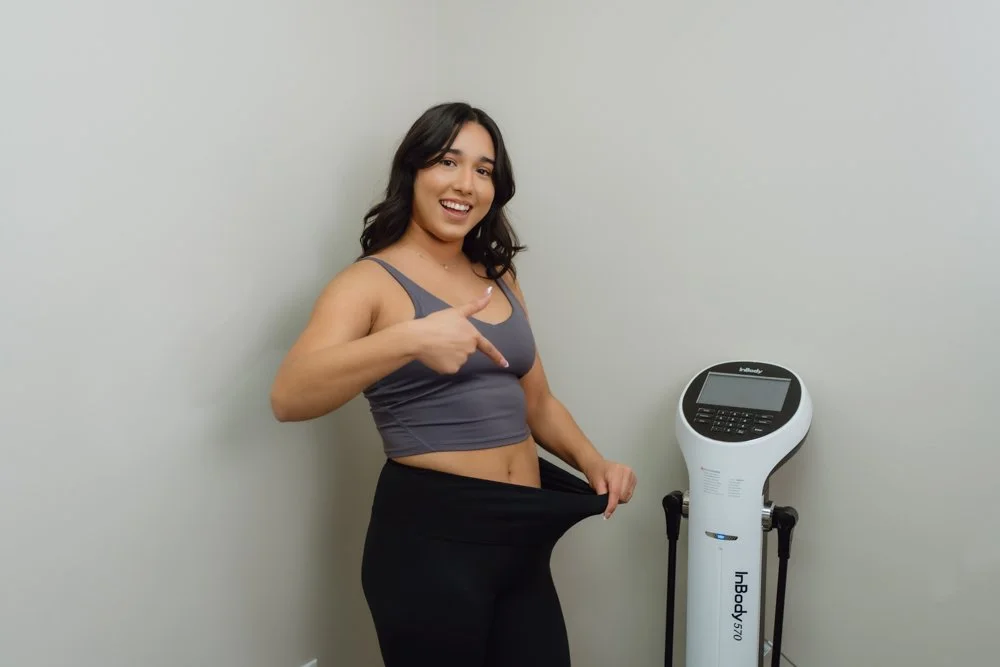
In the modern age of health and wellness, understanding your body composition has become an essential part of maintaining a healthy lifestyle. With advancements in technology, In-Body Analysis at Home in Abu Dhabi has emerged as a convenient and efficient way for individuals to monitor their health metrics without the need for frequent visits to a clinic. This innovative approach allows users to gain detailed insights into their body composition, including muscle mass, fat percentage, hydration levels, and more, all from the comfort of their own homes. Whether you're an athlete, fitness enthusiast, or someone aiming to improve overall health, an at-home in-body analysis provides valuable data to tailor your health and fitness plans effectively.
What is In-Body Analysis?
Understanding Body Composition
In-Body analysis refers to a comprehensive assessment of various body metrics that contribute to overall health. Unlike traditional scales that only measure weight, this analysis provides a breakdown of the body's internal makeup. This includes measurements of fat mass, lean muscle mass, bone density, and water content, offering a holistic view of physical health. Such insights are crucial for designing personalized diet and exercise routines, tracking progress, and making informed lifestyle choices.
The Importance of Regular Monitoring
Regular in-body analysis helps in identifying changes in body composition over time, enabling individuals to adjust their routines as needed. For example, tracking muscle gain or fat loss can motivate users to stay committed to their fitness goals. Additionally, understanding hydration levels and other vital metrics can aid in optimizing performance and recovery, making it an indispensable tool for those serious about health management.
Features and Benefits of In-Body Analysis at Home
Convenience and Accessibility
One of the primary advantages of performing an In-Body Analysis at Home is the convenience it offers. Users can perform assessments at any time, eliminating the need for scheduling appointments or traveling to a healthcare facility. Portable devices are designed to be user-friendly, allowing individuals to conduct accurate measurements with minimal technical knowledge.
Accurate and Detailed Data
Home-based in-body analysis devices utilize bioelectrical impedance analysis (BIA) technology to deliver precise data. These devices can measure multiple parameters simultaneously, such as visceral fat, subcutaneous fat, muscle mass, basal metabolic rate (BMR), and more. Having access to this detailed information facilitates better health management and goal setting.
Personalization of Health and Fitness Plans
With detailed body composition data, users can develop tailored nutrition and workout plans. For example, if the analysis indicates a higher fat percentage, one might focus on fat-burning exercises and dietary adjustments. Conversely, identifying muscle deficiency can lead to strength training routines aimed at muscle building, ensuring a balanced approach to health.
What’s Included in an In-Body Analysis at Home Test?
Core Metrics Assessed
An at-home in-body analysis typically includes the measurement of several key health indicators:
- Body Fat Percentage: Evaluates the proportion of fat in the body, essential for assessing obesity risk and overall health.
- Muscle Mass: Measures the amount of skeletal muscle, vital for strength and metabolic health.
- Water Content: Determines hydration levels, influencing performance and recovery.
- Bone Density: Provides insights into bone health, important for preventing osteoporosis.
- Visceral and Subcutaneous Fat: Differentiates between fat stored around organs and under the skin, offering a complete picture of fat distribution.
- Basal Metabolic Rate (BMR): Estimates the calories burned at rest, helping in designing effective diet plans.
- Body Mass Index (BMI): A general indicator of body weight relative to height.
Additional Features
Some advanced devices also measure metabolic age, segmental analysis (assessing different body parts), and provide progress tracking over time. The integration of data with mobile applications allows users to monitor trends, set reminders, and receive personalized recommendations for improving health outcomes.
How to Perform an In-Body Analysis at Home
Preparing for the Test
Before conducting an analysis, it’s advisable to be well-hydrated and avoid eating or exercising at least a few hours prior to the test for accurate results. Wearing light clothing and removing any metallic accessories can also improve measurement accuracy.
Step-by-Step Process
- Setup the Device: Place the device on a flat, stable surface and ensure it’s fully charged or connected to power.
- Input Personal Data: Enter relevant details such as age, height, and gender into the device or associated app.
- Stand on the Device: Follow the manufacturer's instructions, typically standing barefoot on the electrodes.
- Stay Still: Remain relaxed and still during the measurement process, which usually takes a few seconds to a minute.
- Review Results: Access the detailed report via the device or app, and interpret the metrics provided.
Tips for Accurate Measurements
Consistency is key; perform measurements at the same time of day under similar conditions. Regular testing, such as weekly or bi-weekly, helps monitor progress effectively.
How to Use the Results to Improve Health
Setting Realistic Goals
Use the comprehensive data to set achievable health and fitness objectives. For instance, if the analysis shows excess body fat, aim for gradual fat reduction through balanced nutrition and regular exercise.
Adjusting Diet and Exercise
Tailor dietary intake to support your specific body composition goals, such as increasing protein for muscle gain or reducing calorie intake for fat loss. Similarly, modify workout routines to focus on areas requiring improvement, like strength training for muscle development.
Monitoring Progress
Regular in-body analysis enables tracking of progress over time, providing motivation and insights into what strategies are working. Adjustments can be made based on trends observed in the data, ensuring a dynamic approach to health management.
Integrating In-Body Analysis into a Healthy Lifestyle
Consistency and Routine
Incorporate regular assessments into your health routine to maintain awareness of your body’s changes. Consistency encourages accountability and helps in refining your health strategies.
Combining with Other Health Practices
Complement in-body analysis with other health practices such as balanced nutrition, adequate sleep, stress management, and regular physical activity. This holistic approach maximizes overall well-being.
Using Technology for Better Outcomes
Leverage mobile apps and digital platforms associated with home in-body devices to set reminders, track goals, and access personalized tips, making health management more engaging and effective.
FAQs About In-Body Analysis at Home in Abu Dhabi
Q1: How accurate are home in-body analysis devices?
Home in-body analysis devices utilize bioelectrical impedance technology, which, when used correctly, provides reasonably accurate measurements comparable to clinical assessments. Consistency in testing conditions enhances reliability.
Q2: How often should I perform an in-body analysis at home?
For effective tracking, it’s recommended to perform assessments weekly or bi-weekly, ensuring you observe meaningful trends without over-testing.
Q3: Can I perform the analysis without prior knowledge or technical skills?
Yes, most home devices are designed for ease of use, with simple instructions and intuitive interfaces, making it accessible even for beginners.
Q4: What should I do if my results show unfavorable metrics?
Use the data as motivation to adjust your diet, exercise, and lifestyle habits. Consider consulting health professionals for personalized advice and support.